
In short
For the past few years, the food and drink industry has been busy preparing for a major change in the rules.
HFSS restrictions have changed how certain products can be promoted, where they can appear and how brands can reach consumers. But while the industry has been focused on navigating those changes, another shift has been gathering pace – and this one isn’t being driven by regulation – it’s being driven by the consumers themselves.
We’re of course talking about GLP-1s. How could we not, when they’re arguably driving one of the biggest shifts in consumer eating habits in recent history? The Institute of Grocery Distribution has described GLP-1s as part of “one of the most complex and commercially significant behaviour shifts the food and drink industry has faced”.
GLP-1s are changing how people eat, shop and spend and these habits are influencing those around them.

What makes GLP-1s different?
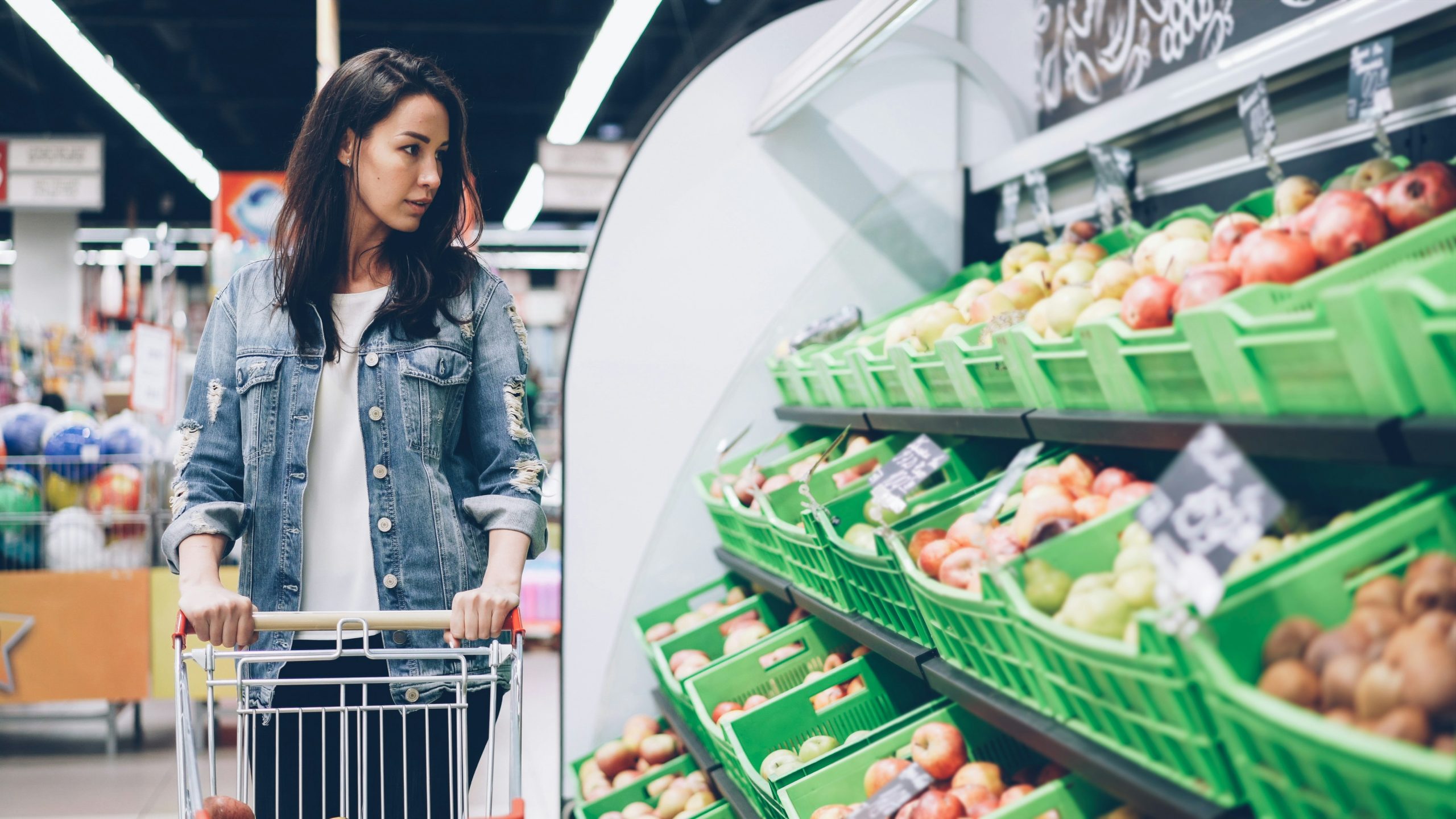
Retailers are accustomed to responding to growing demand. Protein is a great example of this. As consumer interest has grown, the industry has responded with more products, more formats and more space on shelf and this has transformed the yoghurt aisle.
But, GLP-1s has turned that familiar model on its head.
Rather than creating demand for more, they are contributing to some consumers buying and consuming less. And, the impact doesn’t necessarily stop with the person taking the medication.
Research found that in 80% of households with a GLP-1 user, consumption habits are changing across the home, alongside a broader move towards healthier lifestyles.
For categories that have traditionally benefited from impulse, frequency and indulgence, that’s significant. Among GLP-1 users, 75% report buying less chocolate – equivalent to approximately 4.2 million people – while 72% are buying fewer crisps, or around four million people.
But buying less doesn’t mean not buying.
Chocolate isn’t disappearing. Neither are crisps, desserts or other indulgent categories.
But the reason to choose them is becoming more important.
As purchasing becomes more considered, the bar for earning a place in the basket gets higher. Products increasingly need to give people something they genuinely value – whether that’s nutritional, emotional or a combination of the two. For established brands, familiarity, heritage and loyalty can play an important role here.
For newer brands, the challenge is different: how do you build enough relevance to become something consumers actively choose when they’re making fewer choices overall?
If frequency becomes harder to rely on, brands need to be clearer about the role they play in people’s lives.


What does it mean for OOH?
For pubs, restaurants and other out-of-home operators, the challenge posed by GLP-1s is slightly different.
According to research, overall footfall isn’t expected to fall, but spend is likely to fall in line with reduced appetites and a move away from alcohol.
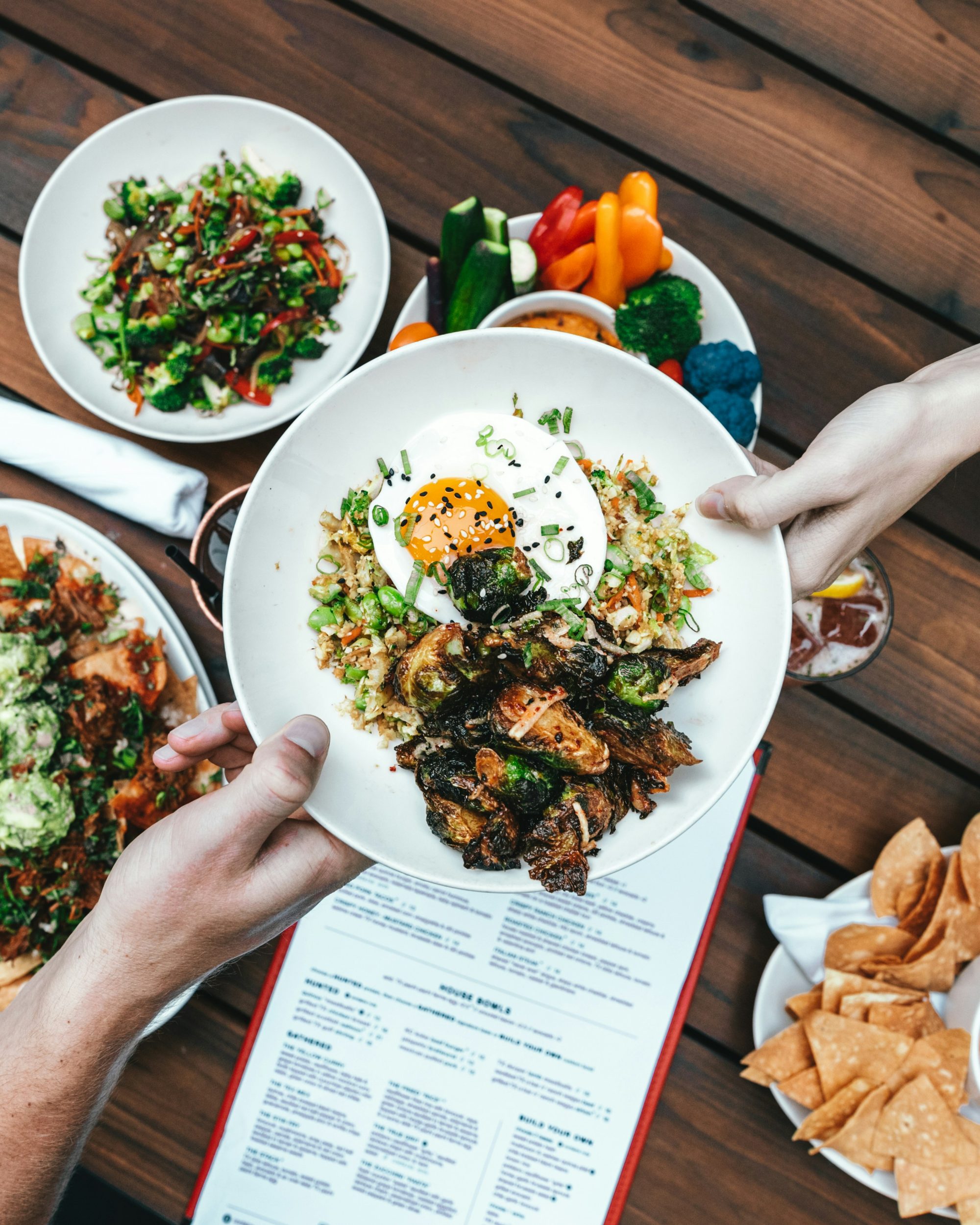
Smaller appetites can lead to starters being skipped, passing on dessert or choosing a no- or low-alcohol drink. 45% of GLP-1 users actively eat smaller portions when dining out, with some turning to children’s menus and smaller portion options. Again, this influence can extend beyond one person.
77% say their new dietary preferences dictate where their whole group eats, while monthly takeaway spend among GLP-1 user households has fallen by 19%.
For an out-of-home sector already dealing with a difficult trading environment, that adds another layer of complexity.
But it also provides an opportunity to ask what else can people come for?
If consumers are spending less on the food and drink itself, operators need to give them more reasons to spend when they’re there. That could mean events, entertainment, work-from-pub offers or experiences that make a venue worth choosing beyond what’s on the menu.
So, where does your brand fit?
That’s a pretty important question right now.
There will inevitably be brands rushing to respond to GLP-1s. New products will appear. Existing products will be repositioned. Protein, nutrition, portion size and functionality will become even more prominent parts of the conversation.
What every food and drink brand does need is an understanding of whether – and how – the behaviour surrounding GLP-1s is changing its audience, category and occasions.
What are people buying less of? What are they prioritising instead? What still feels worth spending money on? And what role does your brand credibly play within that?


Changing appetites, new storytelling opportunities
As consumers become more considered in their choices, brands need to find new and meaningful ways to be part of the conversations that matter to them. This is where earned media has an important role to play.
It’s not necessarily about reinventing your brand, but understanding how to tell its story in a way that resonates with changing consumer priorities.
At Wild Card, we combine consumer and cultural insights with our expertise in food and drink to identify relevant storytelling opportunities, build brand credibility and keep brands front of mind, even as shopping and consumption habits evolve.
We Make Comms More Colourful
If you’re looking to navigate changing consumer habits and build lasting brand relevance, let’s talk.