
In short
We are living through a strange contradiction because the marketing industry has never had more information. Teams can track what people search for, what they click, what they buy, what they ignore and how quickly they move on. Artificial intelligence can analyse thousands of comments, create audience profiles and generate campaign ideas in seconds.
Yet having more information about people has not necessarily brought brands any closer to understanding them.
Campaigns are more targeted, but not always more relevant.
Communication is more personalised, but not always more personal.
Technology can tell us what people do, but not always what is happening within and around them when they do it.
Behind every click, purchase or rejection is a wider human reality shaped by culture, pressure, aspiration, experience and trust. Human-led insight brings brands closer to that reality.


UNDERStanding what drives behaviour
By engaging directly with people as multifaceted beings, asking better questions about their lived experiences and listening to answers that may challenge existing assumptions, brands can understand not only how consumers behave, but what drives that behaviour.
That understanding matters commercially. Relationship building and trust is not simply something positive for a brand to have; it influences whether people believe the message, choose the product, return and recommend it to others.
It therefore has a direct bearing on performance and return on investment.
Brand trust is better for business
An analysis of more than 25 years of advertising-effectiveness data by the Institute of Practitioners in Advertising found that campaigns which produced significant increases in brand trust were far more likely to achieve strong growth in sales, market share and profit.
Trust-building advertising was not only better received; it was better for business – but trust cannot be created through messaging alone. Our own research has shown how people can tell when a brand has taken the time to understand them and when it has made assumptions.
A campaign may include a woman without understanding what shapes her decisions. It may feature an older person while ignoring how age interacts with income, health, disability, culture or access to technology. It may speak about Gen Z as though millions of young people think, behave and believe the same things.
It may reach racially diverse audiences while overlooking their intersectionality such as differences in class, faith, geography, family structure and migration experience. Visibility matters, but it is not the same as understanding.


deeper understanding
Humans are more complex than the categories used to describe them, thus brands need to understand people before the message is written, the creative direction is fixed or expensive decisions become difficult to reverse.
That means moving beyond information collected about people and creating opportunities to learn directly from them. It requires thoughtful conversations with consumers across generations, cultures and backgrounds. It means exploring not only what people buy, but what shapes their trust, ambitions, pressures, loyalties and choices.
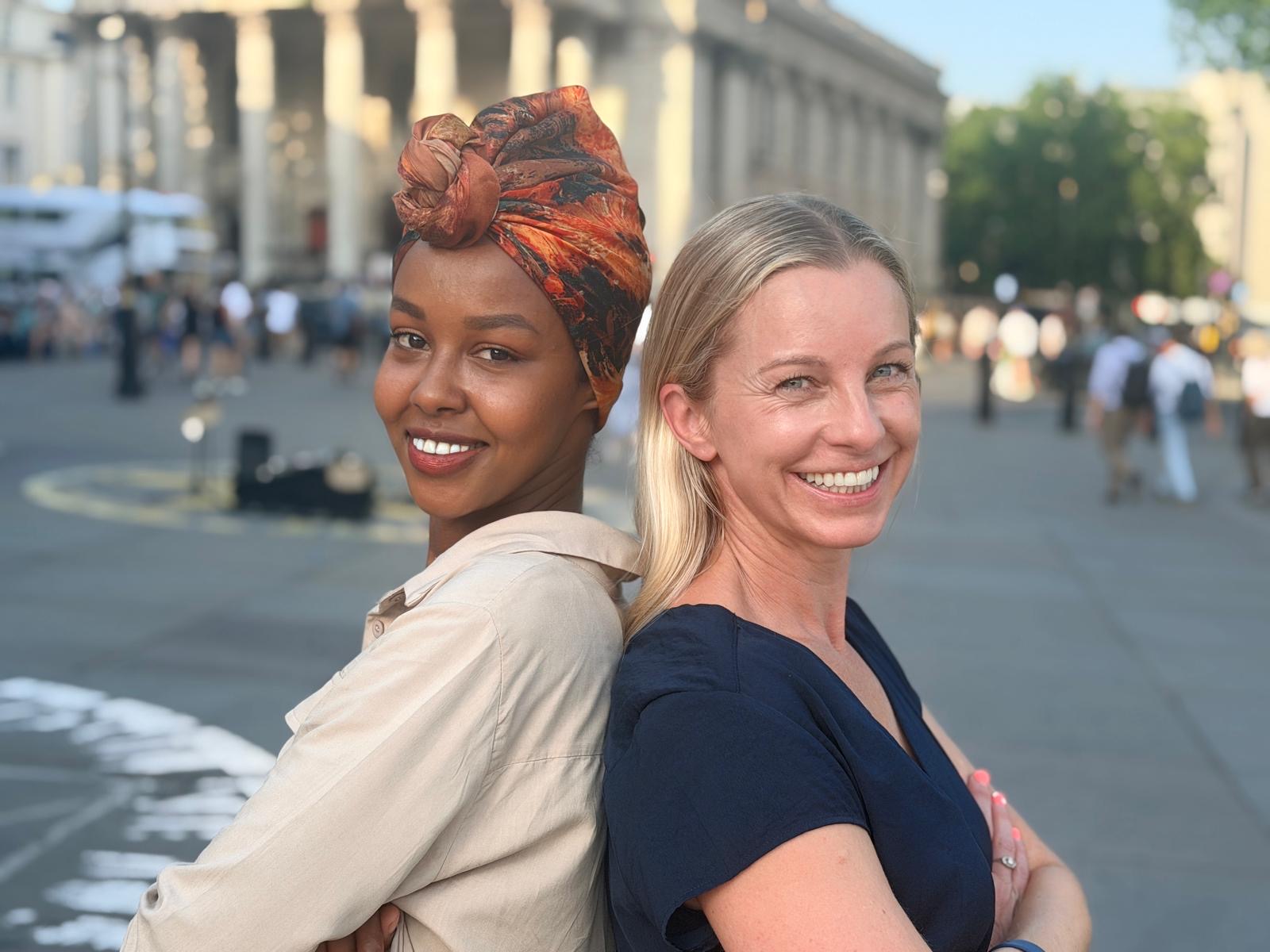
This is where the partnership between Voicing Voices and Wild Card brings something different. We combine two forms of expertise that are often kept apart; deep human understanding and strategic communications.
human-led insights
Voicing Voices works directly with people whose experiences are frequently simplified, overlooked or spoken for. Founded by intersectional educator, scientist and entrepreneur Ayan Said, the organisation was built on the belief that people closest to an experience hold knowledge that businesses need. We create the trust people need to speak openly. Through carefully designed conversations, interviews and community engagement, we explore how people experience brands, services and the wider world around them.
Wild Card brings more than 25 years of experience in communications and its established approach to People Relations, which understands how to turn what people reveal into stronger positioning, stories, campaigns and communication that audiences can recognise, believe and respond to.
It is a human-led partnership that can help brands:
- understand why audiences trust, reject or disengage;
- uncover assumptions before they become costly mistakes;
- create messages that feel relevant rather than performative;
- reach women, Gen Z and diverse communities with greater depth;
- strengthen creative briefs, campaigns and audience strategies;
- connect marketing with wider community, sustainability and social-value commitments.

We Make Comms More Colourful
We bring people closer to brands, and brands closer to the realities of the people they hope to serve. The conversation can begin with one simple question…
…how well do you really know the people your brand is trying to reach?