

The communications industry has always been quick to embrace the next big thing.
From the rise of social media to the explosion of creator content, AI-powered search and whatever platform launches next, there is a constant temptation to start with the channel. Where should we show up? What content should we create? How do we maximise reach?
But in a fragmented media landscape, that thinking is increasingly flawed.
The reality is that channels are simply vehicles. What matters is the people at the other end.
As audiences become more dispersed, sceptical and selective about the information they consume, communications strategies need to be built on a deeper understanding of human behaviour. Not demographics. Not media plans. Not platform trends. People.
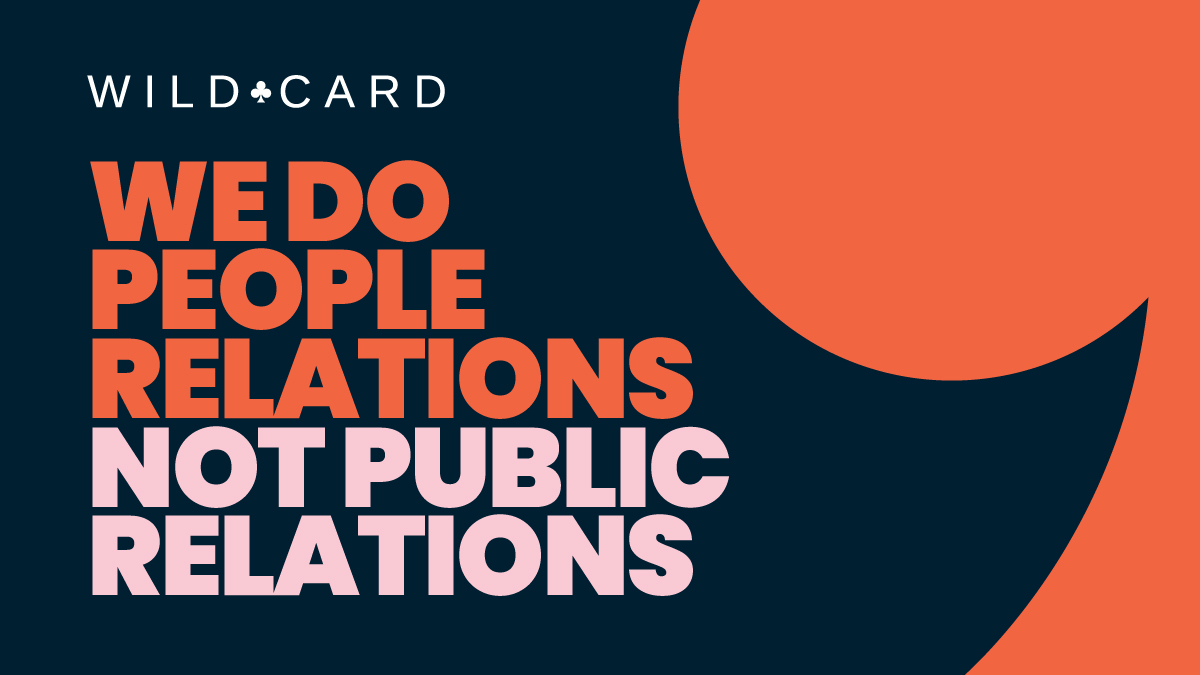
This is where the concept of People Relations becomes increasingly important.
At its heart, People Relations is about understanding what motivates an audience, what they care about, who they trust and how they make decisions. It shifts the focus away from simply distributing messages and towards creating meaningful connections.
The challenge facing communicators today is rarely a lack of channels. In fact, we have more opportunities to reach people than ever before. The challenge is relevance.
Why should someone care about this story? Why does it matter to them? What role does it play in their lives, ambitions or concerns?
The brands and organisations that answer those questions successfully are the ones that cut through.

Too often, communications strategies are built around assumptions about where audiences spend their time rather than understanding why they engage in the first place. The result is activity that may be visible, but not necessarily valuable. Content that fills feeds but fails to build trust. Campaigns that generate impressions without creating impact.
Trust, in particular, has become one of the defining factors of modern communications.
People increasingly look to signals beyond traditional corporate messaging when forming opinions. They trust peers, communities, experts and creators. They seek authenticity over polish and relevance over volume. Understanding these trust dynamics is arguably more important than understanding the latest algorithm update.
That doesn’t mean channels don’t matter. Of course they do. The right story delivered in the wrong place can easily be overlooked.
But channel selection should be the outcome of audience understanding, not the starting point.
When communicators begin with people, the right channels often become obvious. More importantly, the story becomes stronger. Messaging feels more human. Creative becomes more relevant. Engagement becomes more meaningful.
In an industry that is constantly evolving, it can be tempting to focus on the newest platform, format or technology. Yet the fundamental principle of effective communications remains unchanged.
People connect with people.
The most successful campaigns, brands and organisations are those that understand this and build their communications strategies accordingly. Not by asking where they should show up, but by first understanding who they are trying to reach, what matters to them and how they can genuinely add value to the conversation.
Start with people relations. The channels can follow.
Phoebe Frost
Account Director